Start with a conversation, not a shape
Ask how the person would like to be photographed and what would make the session easier. Check whether ground sitting, standing or walking is comfortable without requesting private medical details. A picnic portrait does not require anyone to sit on a blanket. A stable bench, a suitable chair or a standing composition can tell the same story. Make the alternatives ordinary parts of the plan rather than exceptions that need explaining.
Explain each direction before asking for it. “Would you like to turn slightly toward this open patch of sky?” gives more information and choice than “Turn this way.” Ask permission before touching a person, adjusting clothing or moving a mobility aid. Never move someone’s equipment without agreement. Keep feedback about the photograph specific: talk about light, framing and comfort rather than describing a body as a problem to be corrected.
Use a settle, act, pause sequence
First, let the person settle into a position they can maintain comfortably. Give them time to adjust clothing and check the surface. Find your camera position before adding more direction. Second, offer a small action: rest a hand beside a cup, look through a book or smooth a napkin. Third, ask for a pause or an easy breath. Photograph briefly, then release the pose so it does not become a test of endurance.
- Settle: choose a supported seat or balanced standing position and confirm comfort.
- Act: offer one simple movement that makes sense within the scene.
- Pause: allow a quiet moment, make a short sequence and let the person move again.
This pattern creates variety without a long list of poses. The action can be as small as turning a page or looking toward a companion. Avoid repeating instructions while the person is already trying to follow the previous one. If an action feels artificial, remove it. Someone resting naturally and looking away from the camera may make a stronger portrait than a carefully arranged gesture that never becomes comfortable.
Make sitting adaptable
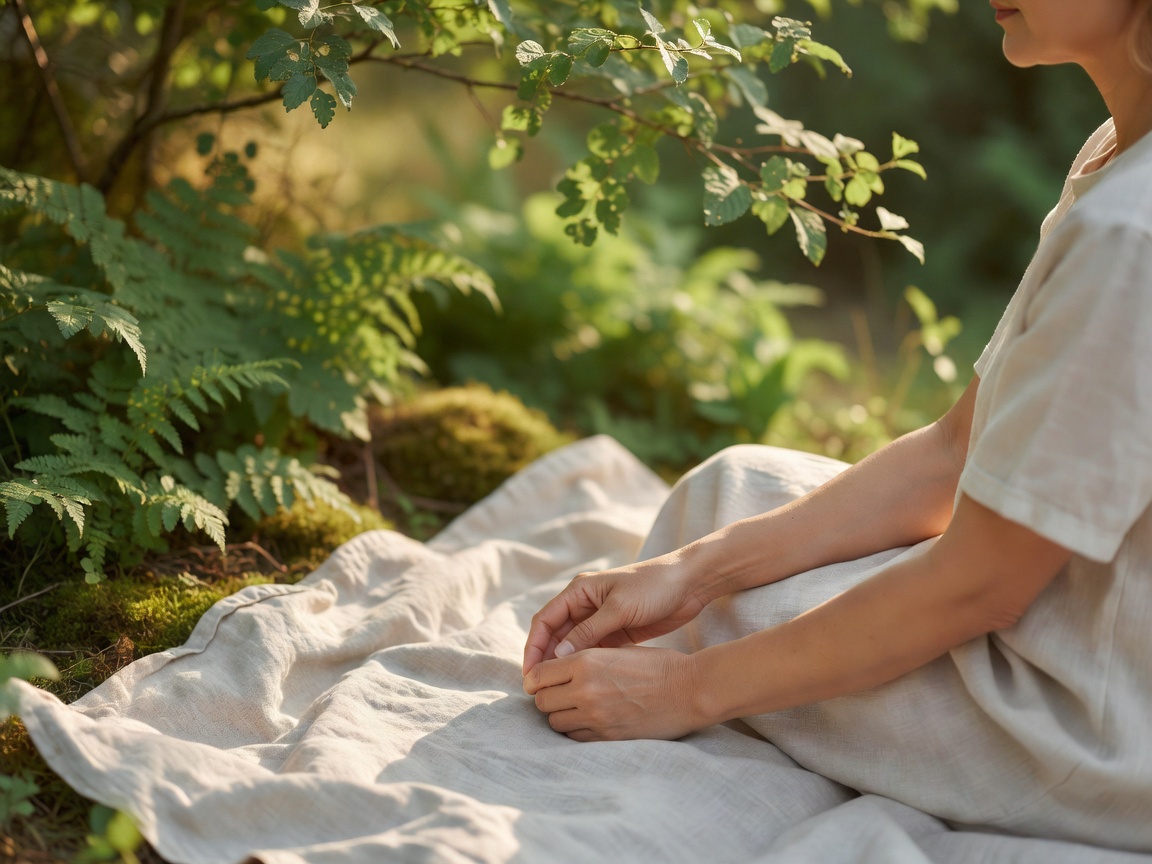
For a seated portrait, let the participant choose where their legs and feet can rest. Do not insist on crossed legs, pointed toes or a particular knee angle. A stable seat with back support may be useful, and the camera can move to create variation instead of asking the person to twist. Check for damp surfaces and pressure from uneven ground. Leave enough time and space to stand up without rushing or becoming the center of attention.
Hands often relax when they have a believable resting place. A lap, chair arm, closed book or blanket edge can work, provided it does not require gripping. Ask the person to loosen the action if fingers look tense, but do not keep correcting individual fingers. Watch where the hands overlap the torso and props. A small camera shift can separate shapes without turning a comfortable pose into a complicated set of instructions.
Keep standing and movement simple
For standing portraits, begin with the person’s natural balance. If they want to adjust weight or angle, let the change be modest. Avoid asking anyone to lean against a surface until its stability and suitability are clear. Keep clear of paths, water edges and low branches. Ask the person to stop before making precise changes; walking and listening to technical instructions at the same time can create unnecessary distraction.
A short walk can produce relaxed transitions, but the route must suit the participant. Choose a clear, level stretch where photography is permitted and other visitors can pass. Do not ask someone to walk backward or look away from obstacles. The photographer should also stop before reviewing the screen. If walking is not appropriate, a small head turn or a change in hand position can provide a similar sense of movement within a seated frame.
Example sequence: sit comfortably, look toward a companion, rest a hand on a closed book, then pause. Offer every step as an option, not an obligation.
Photograph connection without assuming it
For two or more adults, ask what kind of interaction feels natural. Do not assume romantic relationships or direct physical contact without agreement. People can share a frame through a common activity, a conversational glance or the space between them. Arrange the camera so important faces remain within the usable depth of field. Check that one person is not hidden behind another and that everyone is comfortable with their place in the composition.
End with choice and a useful review
Offer a brief review if the participant wants one, particularly when trying a new angle or an unfamiliar pose. Ask whether the direction feels like them rather than promising that every photograph will be flattering. Discuss permission for sharing separately from participation in the shoot; agreeing to be photographed does not automatically mean agreeing to public posting. Before leaving, check that everyone has belongings, suitable layers and an unhurried route back.